Note: There is now a slight change to the format of International Bands of Mystery. Instead of highlighting the music of different countries, I will now be sharing information on various international musicians.
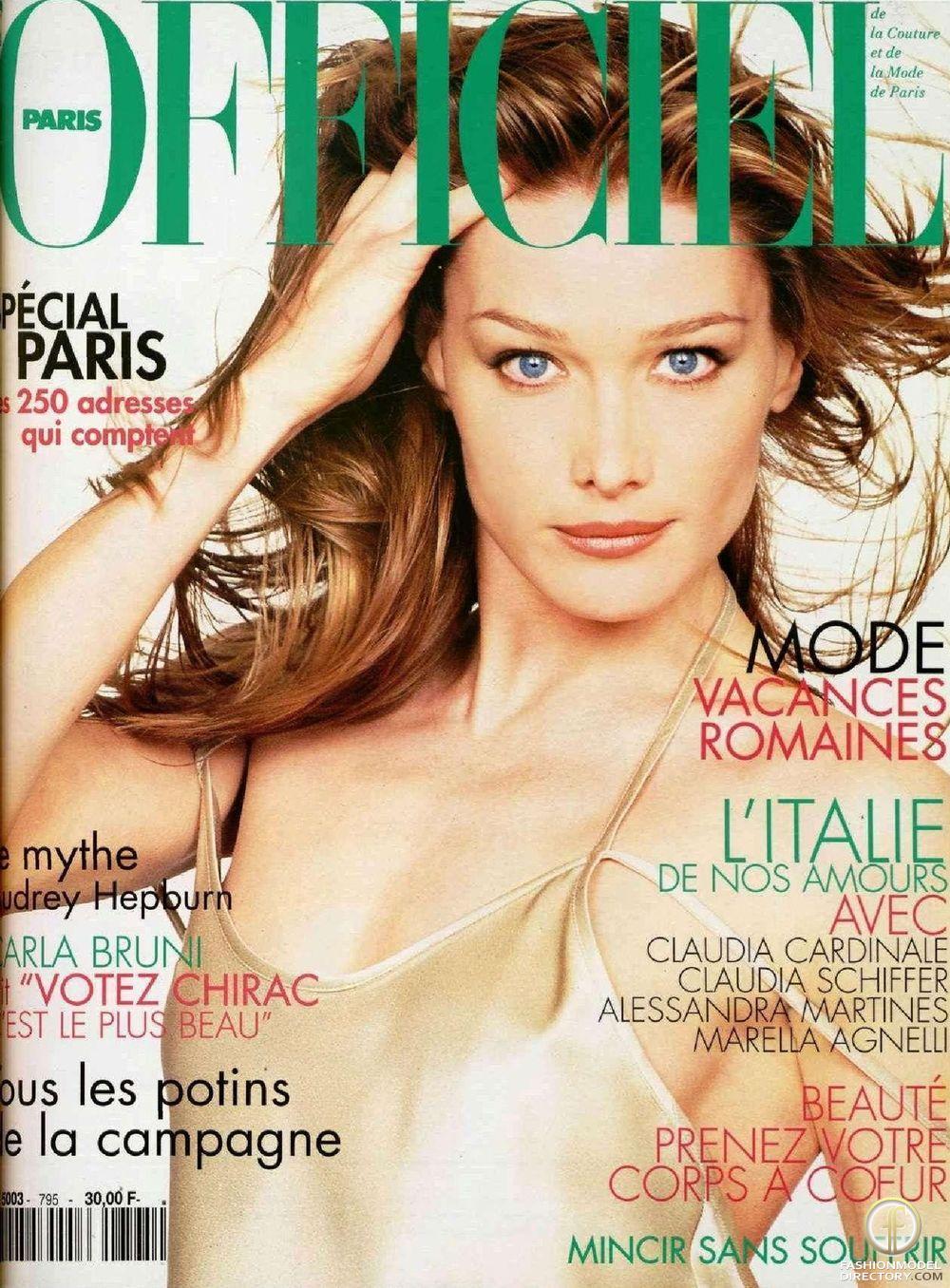
La belle of France, Carla Bruni is a multi-faceted little creature with stunning features, immense talent and a large heart. The Italian-born former model/musician/philanthropist has sure made a name for herself in Europe. Not to mention, she is the former first lady of France. Wow.
Bruni was first noticed by modeling agencies as a teenager, and quickly escalated to being one of the highest-paid fashion models. Her good looks and lanky figure earned her gigs with a multitude of high fashion houses, and she dated superstars like Eric Clapton and Mick Jagger.
Bruni dropped modeling in 1997 and began a career in music. Her debut album, Quelqu'un m'a dit, was released in 2002, winning her an EBBA award in 2004. A few of the songs were used in various films, most notably 500 Days of Summer, in which the title track is heard.
Bruni's second album, No Promises, is made up of different famous poems, including those of William Butler Yeats and Emily Dickinson, and it is set to music. Her third album, Comme si de rien n'était, was release in 2008, the same year as her marriage to the then French president, Nicolas Sarkozy. Bruni decided that royalties going toward the album should be donated to charities.
On that note, Bruni has been involved in many other charities and causes. She supports many different charitable foundations, is the world ambassador for the protection of mothers and children against HIV and performed at Nelson Mandela's 91st birthday along with Stevie Wonder and Aretha Franklin.
Bruni's most recent album, Little French Songs, was released in April of 2013.
The singer/songwriter's music is gentle and for the most part very quiet. She is greatly influenced by her idols, Joni Mitchell and Serge Gainsbourg. Her songs are characterized by guitar strumming and simple piano riffs, while the main attraction is her soft, whispery vocals.
Music of The Netherlands today is largely influenced by tradition in the UK and the US. Some of it is sung in English and some in Dutch, but most natives will listen to English-speaking bands and musicians.
Traditional Dutch music is not widely heard throughout the country today, but it still holds a place in cultural practices and tradition. The more traditional songs are called "Levenslied," which means "songs of life." The lyrics speak of day-to-day routines and struggles. They are usually very simple, Beatles-style songs about love, loss and loneliness. Traditional instruments used in the genre include the accordion and organ.
Much like Sweden and Germany, The Netherlands today offer a pretty grand techno/dance music scene. Some of the most accomplished musicians in the last couple of decades include DJs and house artists. Many of these musicians have even gained international recognition, including Tiësto, Armin van Buuren and Afrojack. Amsterdam hosts the world's most renowned electronic music conference and fest each year, called the Amsterdam Dance Event (ADE).
Although the Dutch are very familiar with English songs and artists, many native pop musicians do sing in the Dutch language and gain popularity mainly just within the country. For example, the popular Dutch band Tambourine gained success in the '90s and still woos Dutch music-lovers with its native instrumentals and lyrics.
In addition to electronic dance music, another genre called Boerenrock has swept the Dutch nation and is popular within the country. In English, Boerenrock translates to "farmer's rock" and mixes rock and pop accompanying lyrics that resonate with rural life. Boerenrock is a more small-time genre and tends to be heard in smaller, grungier venues rather than concert halls. The musicians don't display large productions for their shows, but keep it simple yet rowdy.
Vengaboys
In America, Vengaboys are most likely known for the one-hit-wonder song "Boom Boom Boom Boom." What many people don't know is that this band is a popular Eurodance group based in Amsterdam.
The group enjoyed its first dose of international success in the early '90s with lighthearted, electronic pop hits that stole the hearts of teens everywhere.
Vengaboys are made up of two lead vocalists and two male dancers, making the pop/electronic/organized dance genre a serious thing at the turn of the century (i.e. Backstreet Boys).
Although the group's international popularity seemed to have ended by the late nineties, "Vengaboys are back in town," especially in Europe and The Netherlands. The group has received multiple awards as best-selling artists and an influential Eurodance group.
Today, Vengaboys are still making it big overseas with new singles, new albums and new tour dates.
Caribbean styles of music are some of the most popular and well-liked genres in the Colombian music culture. Cumbia is a Caribbean style that combines Spanish and African sounds. This type of music is reminiscent of the horrifying slavery before it was abolished in the 19th century.
Cumbia is very rhythmic, and when it originated, it included only vocals and drums. Recently, musicians have added other percussion elements such as keyboards, plus the saxophone and trombones. The unofficial Colombia national anthem is a form of cumbia called "Cumbia Cienaguera," which represents the flavor and atmosphere of Colombia.
Currulao is the most African-influenced genre of music specifically from the Pacific region of the country. This type of music is traditionally played by four musicians and the instruments include a drum, a shaker and a Colombian marimba.
One of the most contemporary styles of music in Colombia is the salsa. Salsa dancing has become a popular competitive activity, with Colombian dancers receiving awards every year from international competitions. Colombian salsa dancing has a particular style unique to other countries' salsa traditions, as they focus more on footwork while the upper body remains still.
Like every other country, Colombia has a pretty prominent rock scene, having dabbled in other genres like metal, alternative and ska. In other countries of Latin America, Colombia is known for its punk rock scene. Electronic music has also hit the country in recent years, leading to the development of raves and dance parties.
Pop music almost always mixes traditional Colombian sounds with more modern genres. The most prominent and successful Colombian musician is Shakira, who has achieved international success and began writing albums in English, making it to the mainstream radio in America. Juanes is another famous Colombian musician who has seen his songs top charts all over the world.
Sidestepper
One of the most popular bands in Colombia, Sidestepper is known for combining modern electronic sounds and traditional cumbian sounds, creating the genre "electro cumbia." The band has included many different musicians since its formation in 1996. It features guest vocalists and musicians who rotate in and out of shows and recording.
The band was created when Richard Blair, an English DJ, and Iván Benavides, a Colombian singer/songwriter, collaborated musically. The band has released five studio albums, the last one, The Buena Vibra Sound System, having been released in 2008 as a mix album.
Since then, Sidestepper has been without a record contract, but still working together minus Benavides, who moved from New York back to Colombia to work on a solo project. The band is currently working on a new album which is expected for release in 2013.
Sidestepper has found success inside and outside Colombia's musical culture. They are very roots-oriented with a modern flair. In 2004, the band played at Coachella, a major music festival in the United States.
Although it's pretty close to home, Canada's music is varied despite its strong influence from American culture. Other large musical influencers include France and Britain because of their histories with Canada.
When French settlers came to the country in the 17th century, they brought with them not only the language and customs of France, but also European instruments such as the flute and trumpet. In the 1700s, Canada was introduced to opera, and orchestral and chamber music also became popular. The music of European composers like Bach, Handel and Mozart was frequently played in concert halls.
At the start of the 20th Century, Canada began to see its musical culture expand with the creation of Canada's first record label, Compo Company, and its first radio stations, some of which were in French.
During the mid-century, jazz was the most popular musical form, and swing dancing followed suit. The first major mainstream band in Canada was The Royal Canadians, which received international recognition in the '20s.
After the second World War, Canadian bands began to sprout up all over the country, most of them being school bands and teen idols. Many Canadian artists ended up achieving success when thrust into the American music industry, but other musicians remained true to their Canadian roots.
In the '80s and '90s, musical genres expanded further in Canada, and the "youth culture" became ever-present. One of the most famous musicians to emerge from the country was French-Canadian singer Celine Dion, who quickly achieved international success.
Other mainstream Canadian artists to emerge in the United States include Michael Bublé, Alanis Morissette and Justin Bieber.
Diana Krall
Although Diana Krall has reached international fame for her musical talents like many other Canadian musicians, the British Columbia native stays true to the sultry jazz sounds of early 20th century Canada.
Other than her masterful piano playing, Krall is also quite recognized for her incredible contralto vocals. The singer has not only been named by Billboard as one of the greatest jazz musicians of her time, but she has also won two Grammy Awards and eight Juno Awards (the Canadian equivalent of a Grammy).
At age 48, Krall has release 11 studio albums and has sold over 15 million albums worldwide, making her one of the best-selling artists of today.
Classical music has always been a large staple in Russian culture. In the 18th century, many famous Russian composers were influenced by Italian opera. One of the most popular and celebrated composers from this time period was Peter Ilyich Tchaikovsky, who was known for the famous ballets, The Nutcracker, Swan Lake and Sleeping Beauty.
The 20th century brought with it a new wave of music inspired by the Russian Revolution and then the Soviet Union. "Avant garde" music was popular in the beginning of the century, with a revolutionary spirit about it. Later, under the rule of Joseph Stalin, experimentation in music dwindled and classical structure was favored.
Throughout the century, Russian music expanded and introduced modern American forms of rock and pop music. Russian rock music hit its peak in the 1980s with popular musicians like Kino, Aria and DDT.
While pop music was prevalent in the 20th century, it didn't really become mainstream until the 2000s with one of Russia's most famous pop duos, t.a.T.u.
And again, since rock was the main staple in the '80s and '90s, other musical genres like alternative rock, punk rock and grunge weren't that prevalent until the 21st century. Most of this mainstream music is broadcasted to the public via MTV Russia and other national radio stations.
Since the collapse of the Soviet Union in the early '90s, the Russian music scene has taken part in increasing experimentation. A type of music called "Russian chanson" is specific to solely Russian culture, and it is basically about the daily struggles in life and the criminal world.
In contrast to America and many European countries, electronic and dance music are not very popular in Russia. The few electronic musicians who do exist remain pretty independent and under-promoted.
Dima Bilan (Дима Билан)
The Russian singer/songwriter is best know for having won the Eurovision song contest award in 2008 with the song "Believe."
At the mere age of 31, the successful musician has released six albums to date and has received 32 awards.
Having started releasing albums in 2003, Bilan began recording his first international music in English four years later with one of his singles featuring Nelly Furtado. By 2008, Bilan had plans to release the album in three languages--Russian, English and Spanish.
His first single from this new album, "Number One Fan," achieved international success and was picked up by Interscope Records, who wanted to release the English version in 81 different countries.
Along with his musical career, Bilan has also enjoyed success as an actor in a number of Russian films and television series.
Folk music in Finland consisted of an element called "runonlaulanta," which had a rhythmic, chanting sound. The musical form was revolutionary in Finland's early days of music and led to a similar, more melodic form of singing called "rekilaulu." Although the style dates all the way back to the 1600s, the 1920s pop musicians began to include hints of rekilaulu in their music. The birth of rock music was in the 1960s, with popular musicians singing protest songs. The monumental decade also saw musicians translating American pop songs into Finnish. Even today, rather than singing song in broken English that is incomprehensible to most fans, Finnish artists prefer to sing in their native language. With the popularization of pop and rock, Finland still celebrates folk music as a large part of its culture. Folk music groups that are still popular today include Frigg and Troka. The styles that Finland is most well-known for today are punk and metal, which emerged in the country somewhere in the late '70s. Like all musical revolutions, these styles predominantly influenced and were influenced by the youth in Finland. Just like in the US, Finland took part in an '80s pop wave of music, some of the more popular artists being Dingo and Yö. Accordingly, that style of music died down and electronic/dance forms took over in the nineties and remain popular today.
Chisu The young, Finnish pop artist is one of the most recognized musicians of the country today. She released her first album, Alkovi, in 2008, peaking at #5 on music charts. In following years, the artist has gained increasing popularity, her most recent album having gone multi-platinum and peaking at #1 on music charts. Chisu has also had many hit singles, one of them having appeared in the film Sooloilua, the recognition that began her fame. The musician is most recognized for her superior vocals, having earned her the title of Best Finnish Vocalist in previous years.
In recent years, it seems there has been sort of an intrigue
with up and coming New Zealand musicians like last year’s Kimbra, and this
year’s (and my new obsession) Lorde. So it was only fitting for me to begin the
semester focused on this interesting country.
The number of well known New Zealand artist in the US is kind of surprising. Everyone’s favorite ‘80s pop
band, Crowded House, originated from the country, and The Naked and Famous (who had a hit with “Young Blood” in 2010) are also natives.
The New Zealand music scene welcomes many styles including
blues, jazz, pop and hip-hop, but rock music has always been a strong staple
for the country’s musicians. More specifically, kiwi rock is the names used by
natives to describe rock music.
Rock sprung up in New Zealand in the ‘60s with the most
popular bands being The La'De'Da's and The Fourmyula. In the ‘70s, following
suit with the American music scene, punk music began to influence the masses.
One of the most popular New Zealand punk bands was The Enemy, which also
introduced lo-fi to the music scene.
In the last 30 years, hip-hop has slowly infiltrated New Zealand popular culture. Much of the country’s hip-hop music has been
consistently politically charged and nationalistic, but in recent years, it has
become more lyrical and friendly. One of the first hip-hop artists to achieve
international fame was Savage, which featured the American musician Akon on an
album that sold over 1.8 million copies in the US in 2005.
Other than popular musical styles, other aspects of New
Zealand’s musical culture have become widespread, such as the country's many famous opera
singers including Simon O’Neill and Anna Leese.
One of the most well known and popular theatre performances
was also originated by a New Zealander. The Rocky Horror Show musical was
written by Richard O’Brien, a native of the country, and it was first performed
in London in 1973.
Flight of the Conchords
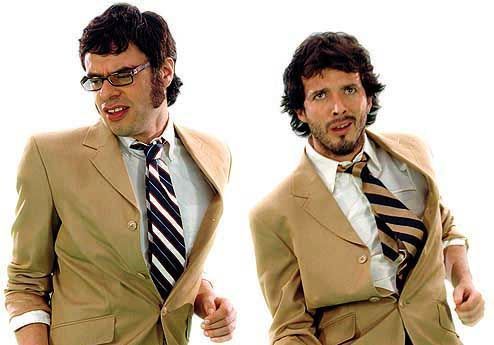
The comedic folk duo from New Zealand have made it big since
they debuted with a television show on HBO in 2007.
The group is made up of Bret McKenzie and Jemaine Clement, who both studied film and theatre until they formed their band in 1998. Before
the creation of their television show, Flight of the Conchords, the duo held a
radio series for BBC Radio 2.
The radio series for McKenzie and Clement was sort of a
precursor for the television series, not ironically holding the same title as the band. The show features the two men trying to find success in New York
City using both dry and goofy humor in their music, which helps tell the story
of their day-to-day lives.
Other than having a popular show on television, completion
of a successful tour and a string of
albums, Flight of the Conchords have many other achievements under their
belts. For example, the duo has been
nominated for multiple Emmys and was ranked the number 2 new television show by
Time after their debut in 2007.
The music of South Africa has changed and adapted over the years, bringing influence from other countries to create its own cultural identity in music. Beginning in the 17th century, South Africans began using Western-influenced instruments such as the ramkie, a guitar-like instrument, and the mamokhorong, a one-stringed violin.
Cape Town in South Africa was considered the melting pot of many different cultures and influences. A carnival that still is popular today runs in Cape Town yearly, and it features many different musical forms. In the early carnival days, Western-style music was popular, and after British domination in the early 1800s, South Africans would march the streets in British military style playing marching tunes.
Also around this time, South African missionary music became popular, starting a gospel movement. This type of music was drawn from church hymns and spiritual chants. Choirs and a capella groups became very prominent during this time as well.
This a capella style did not come and go with the gospel movement, however. Music in South Africa today relies heavily on vocal music sans instrumentals.
In the early 20th century, new styles of music began to spring up. Marabi was a style of music that relied on the keyboard and resembled American ragtime and blues styles, which were also becoming popular overseas. This music form developed into South African-style jazz over the years, making it one of the most popular music forms in the country and adding to its distinct musical style.
By the second half of the 20th Century, music in South Africa was beginning to develop a distinct blend of sound. By this time, South Africans embraced yet another style of music that was classified as part of the black urban culture. The "African stomp" became a very popular musical style, along with the use of more and more percussion instruments.
Unfortunately, this black urban style of music was short-lived, and in the late 1950s, new styles of jazz sprung up, such as the Western style of bebop.
In the '60s and '70s, South Africa faced years of severe repression, and music was the only thing that some had to turn to. Many South African jazz musicians were forced into exile during this time. Yet African jazz bands grew increasingly popular among the country's people.
In the later decades of the 20th century, South Africa was introduced to other Western styles of music, as white musicians began coming over to share their styles. In the '60s, acid rock bands began spreading their hippiness, the '70s welcomed boy bands and the '80s introduced punk and alternative rock. And finally, in the 1990s, South Africa was introduced to the ever-growing genre of pop.
Today, South Africa enjoys an eclectic blend of traditional African jazz music and more Western styles of pop, rock and electronic.
Mandoza
The South African musician Mandoza is known for kwaito, a South African style of music that is very similar to the Western style of house music. It can also be compared to garage music or electronic hip-hop.
As a young adult, Mandoza's talents were first realized by Arthur Mafokate, otherwise known as the King of Kwaito. The artist and his band, Chiskop, was first aired on the Durban Youth Radio by DJ Sipho Mbatha.
Chiskop signed a record contract and released two albums, Klaimer and Zonke Bonke, gaining them national recognition and popularity among the music scene. Mandoza, however, broke away from the band to start a solo career.
His first album in 1999, 9115 Zola South, was widely popular and earned Mandozaa 2000 FNB South African Music Awards Best Newcomer nomination.Through the years, the singer has released many other albums, gaining him even greater popularity and notoriety in the kwaito music scene.
Mandoza sings solely in South Africa's many languages, switching it up between English, Afrikaans, Zulu and Xhosa. Although kwaito music is typically dance and electronic oriented, its lyrics are not lacking in depth. Mandoza, however, is known for introducing an atypical style of kwaito music that focuses more on sending an inspirational message to South African people.
Like many countries, Israel views music as a prominent national identifier--the different sounds from different cultures blend together, creating a distinct Israeli sound.
Solely Hebrew songs created a foundation for Israeli music. Jewish immigrants who traveled to Israel brought sounds from Russia, Asian countries and Middle Eastern countries.
Russian immigrants brought with them folksy sounds with instruments like the accordion and string guitar. Eastern European countries like Poland brought over more sounds, and Israelis would keep the folk sounds but translate the words to Hebrew.
Middle Eastern countries introduced oriental sounds with the oud and kanun instruments, while combining them with existing Israeli instruments. This created a whole new hybrid of European, Middle Eastern and traditional Israeli sounds.
It wasn't until the late 1960s that Israeli music began to integrate with other countries. Israeli rock and underground bands gained popularity in the country and started playing over the radio. Israeli musicians began touring Europe and musicians from other countries came to tour in Israel.
This further influenced Israeli music, and a sense of national identity was lost in the country's newest mixtures of sound.
During this time, rock became the staple musical style of Israel. One of the most recognized Israeli rockers is Shalom Hanoch.
The other popular musical style of Israel is dance music, which didn't gain popularity until the 1980s. Dance music of Israel is basically a combination of pop (influenced by American and European musicians) and rock.
Rita
One of the most famous singers in Israel, Rita was born in Iran and sings the majority of her songs in Persian.
After gaining musical popularity in the 1980s, Rita helped propel the pop music movement in Israel. In her first years as a musician, Rita released both Persian language albums and even an English language album titled Breaking Those Walls.
By 1988 and 1989, Rita was awarded Singer of the Year and became known as Israel's most popular singer.
In addition to being a singer, Rita is also known in Israel as a talented actress. She got her start performing in theatre productions of My Fair Lady and Chicago.
In 2006, the singer put on a musical show that ran for a month. The show, called One, was an exuberant production that including many special effects, dancers and acrobats.
In many of her more recent albums, Rita abandons some of her pop/dance sounds and has incorporated more folk and other traditional sounds, gaining her popularity in Iran where pop music is prohibited.
Recently, Rita released an album called All My Joys, which is sung in Persian and is widely popular in both Israel and Iran. This past year, the singer performed at the U.N. General Assembly.
Brazil's main music identifier is the samba, a cultural dance and music genre. Founded in Bahia, Brazil, the genre has become a symbol of Brazil's cultural identity.
Samba originated as a form of expression during the West African slave trade rooted in Rio de Janeiro. Since then, it has spread throughout the country, but didn't become the country's most popular form of music until the 1930s when the radio sprung up throughout Brazil.
Originally, samba had a rhythmic sound and used various string and percussion instruments, but with little versatility. By the 1950s, popular American music genres such as jazz and funk melded their ways into the samba. This new hybrid genre was called bossa nova, which is more expressive than original samba music. In the 1960s, funk became especially popular creating a genre called samba-funk.
The seventies brought yet another version of samba music called partido-alto. This type of samba is much more percussion-based and is usually in a higher pitch, hence the alto.
Recently, Brazil's music scene has gone in a number of directions. Since the nineties, Brazilian rock 'n roll has become very popular, and other genres such as rap, hip-hop and pop have taken over the Brazilian radio stations.
Many artists, however, have adhered to samba traditions. Marquinhos and Teresa Cristina are two artists who have upheld these traditions. In addition, samba is still celebrated at a number of Brazilian festivals, one of the biggest being the Brazilian Carnival which is celebrated the Tuesday before Ash Wednesday.
Los Hermanos
This Brazilian rock quartet hails from Rio de Janeiro and its music is sometimes described as indie samba.
Los Hermanos formed in 1997 when they were asked to perform at one of the biggest Brazilian alternative music festivals, Superdemo. The band released its first self-titled album in 1999 and thus they became a huge success.
Their first single, "Anna Júlia," is a catchy pop-rock ballad and is still one of the band's most recognized tunes, having been covered by a number of artists.
After their debut album, Los Hermanos abandoned their angsty punk sound and replaced it with a smoother rock sound, which incorporated more traditional samba elements. By its third album, the band had developed an even more traditional sound, incorporating not only samba, but also quite a bit of bossa nova.
Although Los Hermanos has only released four studio albums, the band has had great success for its caliber. Two of their albums made Rolling Stone's "Best 100 Brazilian Albums of All Time" and they have generated a solid fan base.
Los Hermanos has been on a "temporary hiatus" since 2007, but the band have not stopped making appearances. In 2009, they played the "Just a Fest" music festival alongside Kraftwerk and Radiohead, as well as the SWU Music and Arts Festival in 2010.
Traditional Mexican folk music is classified by many different styles and ensembles. Although Mexican music pulls from its indigenous roots, some of the classics have become popular across the globe.
“La Bamba” is one of these classics that was traditionally a folk song, but was then made popular by Ritchie Valens, hitting US charts.
One of Mexico’s traditional music styles is corrido, a narrative, ballad-like music. Corrido songs are usually based on old legends and tell some kind of story.
Ranchera is another style, which is characterized by a single performer playing a guitar. A major theme that runs through ranchera pieces of music is the Mexican Revolution. The most popular ranchera musician was José Alfredo Jiménez, who had composed over 1000 songs in his lifetime.
Mariachi is one of the major Mexican folk ensembles, and is considered representative of Mexican music and culture. It includes the most stylistic variety, including ranchera, corrido and many other forms.
The average mariachi band includes the guitar, the violin and the trumpet, sometimes adding additional instruments.
Having originated in Mexico, mariachi has moved into US culture and popularized traditional mariachi songs. One of the most well-known of these songs is "La Cucaracha." The song became popular during the revolution, but there is no known lyricist. It has, however, been recorded by many American artists including Gipsy Kings and Louis Armstrong.
Modern Mexican music spans across many different genres, such as Latin alternative, rock, pop and electronic.
Most Latin alternative music refers to popular artists that play on mainstream American radio. This music steers away from traditional Mexican songwriting and instrumentals. Although there are still hints of Mexican roots, most of the music is overproduced and the lyricism is more risqué.
Mexican rock music first became popular in the 1950s and it stuck closer to its roots than other forms of modern music. More often than Latin alternative musicians, Mexican rock bands include traditional themes and instruments in their songs.
The famous Mexican guitarist Carlos Santana became popular around this movement with his band Santana. His music is a combination of original Latin music, new age rock and a little bit of jazz.
Even some pop music today still includes some of Mexico’s traditional musical elements. Although popular artists are becoming more produced and experimenting with more mainstream instrumentals and themes, Mexican musicians are more known for some of their raw, folksy sounds.
Paulina Rubio
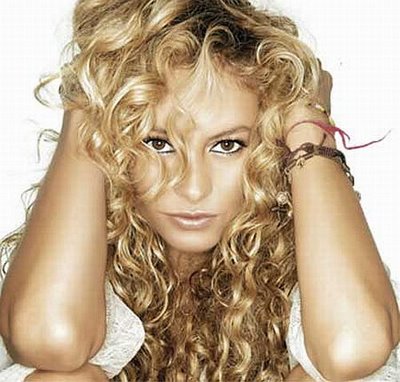
The popular singer known for her rich vocals and sex appeal has been an active Latin musician since the early 1980s. Her debut began as the front woman of the pop band, Timbiriche.
After about 10 years, Rubio left the band to pursue a solo career in music and released her first solo album, La Chica Dorada, in 1992. The single “Mío” has been understood to be Rubio’s signature song, hitting No. 2 on Mexican charts.
Her sophomore album, 24 Kilates, gave her the status as one of Mexico’s most successful musicians, as the album reached No. 1 status in Mexico.
The artist’s most successful album ever was Paulina, which gave her three nominations for the Latin Grammy Awards. In 2009, the album was named one of the Top 10 best-selling albums ever in Mexico.
With her 2002 album Border Girl, Rubio took her first steps into American pop culture, as the album was almost entirely in English. This was a defining year for the singer since it gave her overwhelming international recognition.
After her American debut, Rubio went back to recording mostly Spanish albums, but continued performing internationally. Some other acclaimed Latin American superstars she performed with were Enrique Iglesias and Shakira.
Rubio’s most recent album Brava! is what she calls a Spanglish album, mixing the Spanish and English languages. However, only three of the songs are in English, while seven are in Spanish.
In her music, Rubio is the sole singer and that is all she does musically. Along with her voice, traditional Latin sounds and heavy percussion are very evident. In her more recent albums, Rubio has followed suit with many other popular musicians, incorporating more and more electronics.
Picture a romantic night at a corner street restaurant listening to a man with his accordion. That image is the purest definition of Italy. The romance and the passion that fill the simplest of Italian compositions is overwhelming.
Like many countries, Italian musicians are adopting more and more electronics in their popular music, overproducing their songs and doing a poor job of it. However, other current musicians are holding true to their Italian musical roots. The instrumentals in Italian music are essential to experience the country’s warmth and beauty. Strings and woodwind instruments are very popular in Italian music and add to its melodic nature.
When someone mentions Italian music, the first thing that comes to mind is most likely the opera. A traditional Italian form of entertainment, the opera has been going strong since the 16th century. Opera was such a heavy influence in Italy that it has become a feature for today’s popular Italian artists.
Luciano Pavarotti is one of the first Italian tenors to bring opera into popular music. After singing in many operas and gaining recognition for his heavenly voice, Pavarotti began to sing in concerts with The Three Tenors. The trio was a small collection of exceptional operatic tenors, including Pavarotti and Spanish singers Plácido Domingo and José Carreras.
Although non-Italian speakers would not understand the lyrics, Italian songs are still so full of passion. I don’t know about you, but when I listen to Pavarotti, I feel like I’m starring in my own romantic drama. The story that the vivacious instrumentals tell makes having lyrics almost unnecessary.
Andrea Bocelli
Having one of the most recognizable tenor voices, the Tuscany born Andrea Bocelli has frequently been called the most beautiful singer in the world. With the obvious operatic influences in his music, Bocelli became a pop sensation in 1995.
Bocelli became blind at the age of seven, but that didn’t stop him from pursuing his biggest passion. Bocelli can proficiently play eight different instruments as well as master the voice of an angel.
The singer’s career began when the Italian rockstar Zucchero had tenor auditions, planning to give Pavarotti the spot. Pavarotti, however, heard the tape that Bocelli sent in, and asked him to sing the song Zucchero wrote. Pavarotti himself said that “there is no one finer” than Bocelli. The newly recognized artist then performed with the notable Pavarotti, earning him the name, “the fourth tenor.”
Bocelli released his debut album in 1994 called Il Mare Calmo della Sera, which quickly went platinum.
His next album held what came to be his most recognizable and widely used song. The title, “Con te Partirò,” translates to “Time to Say Goodbye.” The song, which was originally written by Francesco Sartori and Lucio Quarantotto, topped charts in various countries. “Con te Partirò" is frequently presented in films and television shows, as well as sporting events.
Since his debut, Bocelli has recorded 22 albums and has performed in nine opera performances. The singer has earned countless music awards and has toured all over the world.
Over the years, Bocelli’s fame has unfortunately caused him to become more Americanized. The singer has collaborated with American artists like Christina Aguilera and has earned a number of American music awards.
Bocelli also began recording some songs in English. He even made a remake of “Con te Partirò,” which is sung partly in English and is a duet with Sarah Brightman.
Andrea Bocelli is still going strong in his career today. His most recent album, My Christmas, was released in 2009. The album was the singer’s first holiday album, and it became the best-selling holiday album of the year. My Christmas features both Italian and English songs, but has a predominantly American feel to it.
Although Bocelli’s music has become so dominated by American pop culture, his Italian roots will always be what achieved him fame in the first place.
Bocelli's dramatic voice over a passionate string symphony still fosters in me a warmth and enthusiasm that no singer has ever achieved.
Music is not only the best thing ever invented, but it can also be an eye-opening cultural experience. Every country incorporates different cultural elements into their music and stylizes it in a way that is unique.
Blogger, Nadia Kurtz’s goal is to diversify your music tastes, and expand your knowledge of different cultures.

 Bruni was first noticed by modeling agencies as a teenager, and quickly escalated to being one of the highest-paid fashion models. Her good looks and lanky figure earned her gigs with a multitude of high fashion houses, and she dated superstars like Eric Clapton and Mick Jagger.
 Bruni's second album, No Promises, is made up of different famous poems, including those of William Butler Yeats and Emily Dickinson, and it is set to music. Her third album, Comme si de rien n'était, was release in 2008, the same year as her marriage to the then French president, Nicolas Sarkozy. Bruni decided that royalties going toward the album should be donated to charities.