Friday, February 8, 2013

Ireland


Dancing the Jig

Irish music has one of the most distinct cultural sounds. Like many other countries with a strong traditional musical influence, the Irish incorporate dancing along with their music. 

The most well known Irish dance is the jig, which is an upbeat folksy dance. The instrumentals include the flute, fiddle and accordion. From the very beginning of Irish folk music to today, the Irish use pretty much any excuse to dance and play music. This happens most commonly at weddings, holidays, street parades and even small events like someone’s birthday.

Besides the jig, polkas and waltzes are other types of Irish dances. The instrumentals include the guitar and bodhrán, which is a type of drum. 

Other than the lively string-based instrumentals, Irish musicians are also unmistakable by their richly accented vocals. Some of the more purely Irish musicians are The Clancy Brothers and The Dubliners, who became known around the 1960s and have since become popular in the US.


In the latter portion of the 1900s, traditional Irish music began making way for Western styles of music including rock and even R&B. The Irish musician Van Morrison is particularly known for incorporating soul and jazz into his music.

It is no secret that the Irish are closely related to drinking and partying at pubs. A popular place for traditional Irish music and dance are pub sessions, which are simply informal gatherings or “parties” at local pubs. One of the pubs most famous for these pub sessions is O’Donoghues in Dublin, which began in the 1960s. 

Irish music has come a long way, but traditional sounds have remained very distinct in Irish songs. Although many recent Irish-American musicians tend toward more modern music, the Irish roots are evident. 

People of Irish descent in both the native country and other countries including America celebrate this part of the culture in music and in dance. 

Flogging Molly

The majority of bands descending from Ireland are English-singing musicians, and one of the most popular Irish-American bands is Flogging Molly.

The seven-member Celtic band actually hails from Los Angeles, but the lead vocalist, Dave King, was born in Dublin. Since forming in 1997, Flogging Molly has released five studio albums and one live album.  

The Irish-punk band has had an extensive career, participating in the Warped Tour, the American Fléadh Festival and has sold over a million records.

Although Flogging Molly’s lyrics are in English, the band utilizes mostly traditional Irish instrumentals. King also has a gruff Irish accent, distinguishing the band from other punk rock bands. 

Most of the band’s music is upbeat and often clamorous, with folksy influences and heavy percussion. Staying true to King’s Celtic roots, the band writes mostly pirate-themed songs such as “Seven Deadly Sins” and “Drunken Lullabies.”

Flogging Molly has been influenced by eighties Irish bands including The Pogues and The Clash, which also have a punk-Irish sound. 

Friday, February 1, 2013

Hungary

Calling All Gypsies

I am going to remain in Eastern Europe for just one more blog post; however, the musical styles of Hungary and Ukraine are hardly similar. Modern Hungarian music originates from the classic and traditional early Hungarian art form: gypsy music.

Colorful and vibrant, Hungarian gypsy music is colloquially called cigányzene. Gypsy originated during Hungary's national awakening at the end of the 18th century. People known as gypsies banded together and created this colorful and instrumental form of music. One of the most prominent characteristics of the gypsy music were the dances that went with it. The music was normally vibrant and upbeat, so the dances were also very movement-oriented, and both men and women would usually perform. Traditionally, the men would begin with a clapping sequence, and then the women would enter the scene in colorful, flowing skirts. The men and women would then partner up, and the music would pick up along with the dance moves.


Since gypsy music originally formed during a period of unrest amongst feelings of patriotism, the lyrics expressed the hardships of daily life and the longing for freedom. 

After the gypsy period, these music forms evolved into Hungarian folk music and were even passed along to Hungary's noblemen and classical composers including Franz Liszt and Johannes Brahms.

The new pop culture of the 20th century introduced new instruments such as guitar, drums and electronic synthesizers. In the 1970s, Ferenc Sebö and Béla Halmos introduced Hungarian folk music to new Western music forms, and they opened the first dance house in Hungary. At these houses, electronic and rock music combined with folk music, and people taught and learned the traditional Hungarian gypsy dances. 

Dance houses began to spread throughout the country, and the groups such as the Ökrös Ensemble formed to keep the Hungarian folk music traditions alive.

Today, dance clubs still play mostly electronic music mixed with some traditional folk sounds. Hungary also holds many festivals during the year celebrating its rich music and dance culture.


Quimby


Originating in 1991 in a small Hungarian town playing covers, Quimby has since become one of the country's most popular alternative rock bands.

The band has 10 studio albums and one LP. Quimby's first three albums were all in English, but they quickly gained success in the underground music scene, particularly among college students. The band had a distinct style which has been compared to mid-1900s cabaret songs.

In 1995, the band decided to begin recording its albums in Hungarian and released its fourth album, Majom-tangó. With the language change, the band also experimented with its sound and genre, introducing some electronics and reggae. 

In the final years of the century, as Quimby's sound matured, its popularity soared. No longer an underground alt-rock band, Quimby gained wide-spread national recognition, and their fifth album, Diligramm, was named album of the year by the Hungarian Press in 1998.

As its success grew, Quimby did not cease experimenting and meddling with its sound. Another album featured a compilation of multiple genres including rap, some Spanish tunes and some bop songs.

The band has been around for 15 years now, and although Quimby has never toured internationally, it is well-known throughout Europe and regarded prominently by its native country.


Friday, January 25, 2013

Ukraine


Patriotism in its Best Form

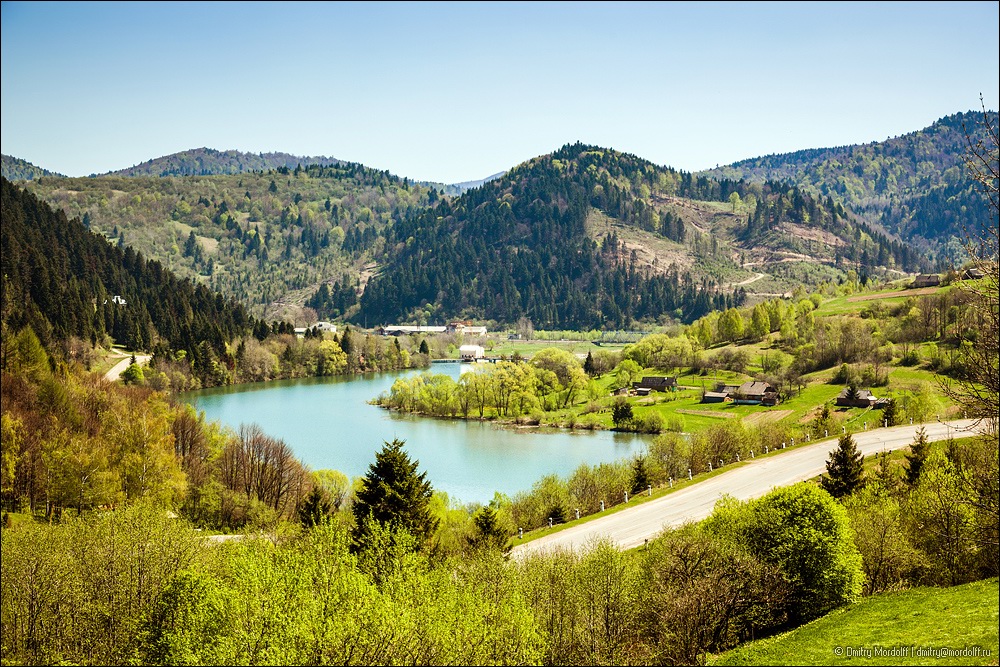
Although Ukraine’s independence only dates back to the early nineties, the Eastern European country has a rich musical history. 

Many traditional Ukrainian folk songs include instruments such as the bandura (a lute-like string instrument), the violin and the sopilka (a duct flute). Many musical ensembles are made up of three instrumentalists and usually include some type of vocals. 

The music of Ukraine as well as the dances make up a large part of the country’s history and culture. Each region of Ukraine is accompanied by a specific style of music and dance. For example, a dance referred to as the Kolomeyka originated in the small western Ukrainian town, Kolomyia. The Hopak is another traditional Ukrainian dance and is often considered the national dance of Ukraine. 

Along with being known for lively dance tunes, Ukraine’s music can also be very melancholy. Many male singers are distinguished for their deep bass vocals, while the women typically shine with tremendous vocal ranges. 

It is no secret that Ukraine’s national history has been tumultuous. Under cruel Russian dictatorship for many years, the people of Ukraine delved into many art forms and found comfort and pride in their nationalistic forms of music, dance and even poetry. Therefore, many traditional songs include a large sense of patriotism.


Ruslana

Ruslana Lyzhychko is currently the most prominent symbol of Ukrainian pop music today. The singer is best known for winning the Eurovision Song Contest of 2004 as well as her status as People’s Artist of Ukraine. 

The musician who is originally from Lviv, Ukraine began her career as the winner of a song competition and was awarded Music Video of the Year in 1996.

She released her first full-length album, Myt Vesny - Dzvinkyi Viter (A Moment of Spring - Wind Bells), in 1998, receiving high praise. 

Ruslana’s most popular project to date is the powerful and inspiring album, Dyki Tansi (Wild Dances). The album was released in June 2003, and it was the first five-time platinum and best-selling album ever in Ukraine.

The concept album is greatly inspired by Ukraine’s traditional folk music sounds. For example, the album is focused around a Hutsul music sound. The Hutsul region of western Ukraine, where Ruslana’s father was raised, has a more distinct culture from the rest of Ukraine. The music is dominated by powerful drum beats and a rich and structured sound. 

The majority of Ruslana’s album is dominated by this style in combination with more modern dance rhythms.

Ruslana has released seven Ukrainian albums and four English studio albums. Another factor that supplements her popularity is her energetic and entertaining dance moves on the stage as well as her artistic music videos that she produces herself.

Friday, December 7, 2012

Haiti


A Haitian Hippie Movement

Haiti’s music is influenced strongly by the vodou religion and the country’s battle with slavery and fighting for freedom. Haitian folk music has its roots in French and Spanish musical forms.

Rara is a form of Haitian folk music that ties back to the Vodou religion. It is a processional type of music and only performed in the country between Ash Wednesday and Easter Sunday. 

The Rara celebrations involve a great amount of dancing in the street and during the festival, the musicians perform religious ceremonies. 

Rara music features cylindrical bamboo trumpets called vaksen as well as drums, maracas, metal bells and the percussion instrument referred to as the guira. The music is played in repeating rhythmic patterns and is very African-based.

Like in America, the 1970s in Haiti gave rise to the disco scene. During this time period, however, Haiti was struggling with a cruel and unjust dictatorship. Thus began the Sanba Movement, which was headed by Haitian “hippies.” During this time black power was extremely popular and included musicians such as the internationally-acclaimed Bob Marley.


Some of the most prominent figures in the Sanba Movement included six musicians who formed a band called Gwoup Sa. After this, other bands began popping up in the nation’s popular culture including musicians such as Lolo.

Following this outbreak in popular music, the '90s introduced a new musical genre called mizik rasin otherwise known as “roots music.” This music included many forms such as reggae, rock and funk mixed with traditional Haitian music forms.

Another popular musical form in Haiti is known as the Haitian rap, which gained popularity in the recent hip-hop movement. Rap music in Haiti is mostly popular with the younger generation, as it generally discusses social, political and materialistic topics.

Jimmy O

Port-au-Prince native Jimmy O was a prominent Haitian hip-hop artist who rose up when Haiti’s hip-hop/rap music scene was just beginning.

Although his music was performed in Haitian Creole, he performed with a number of American hip-hop artists including Wyclef Jean and Akon.

In 2007, Jimmy O, along with other Haitian artists, performed in Port-au-Prince with some American artists.

Jimmy O was not only known for his music, but also his involvement in social activism. In 2006, the musician held a hip-hop performance in Bel Air, Haiti to help fund the USAID Clean Streets project. The artist was also involved with Wyclef Jean’s Yéle Haiti Foundation.

Jimmy O had a large impact on Haitian popular culture, but unfortunately his life and career were cut short after a tragic car accident. Before his death, Jimmy O had been planning to release his debut album Destiny in the United States.

Saturday, December 1, 2012

South Korea


Korean Boy Bands Dominate
(Take that, Backstreet Boys.)

Over the last few decades, the music of South Korea has evolved into two distinct categories: traditional Korean folk music and K-pop.

Traditional Korean music has been around since prehistoric times. The most ancient of musical forms developed as a means of performing worship of the heaven and earth. During this time, several instruments were introduced to the Koreans from Central Asia, and along with the music, dance rituals began. 

During the medieval period in Korean history, the dynasty brought about the creation of royal music which supported the royal families and aristocratic lifestyles. 

These ancient styles of Korean music provided the basis for the country’s indigenous sounds and also led into the folk music period.

Korean folk music follows a series of rhythms and melodies. The majority of Korean folk music is simple, but some regions, such as the Namdo region, feature heavy and dramatic music. 

Pansori is a type of folk music that relies heavily on percussion and is performed by one musician. The lyrics are written with the intention of telling a story, but the tune and the beats are individualized.

Another form of folk music that relies mostly on percussion is Pungmul, which also includes dancing and singing. This type of music is normally played for a group of people who all join in the dancing.

Besides percussion, some of the instrument groups found in traditional Korean music include strings and woodwind. Some of the string instruments include the zither and a two-string vertical fiddle.

Different types of flutes, oboes, ocarinas and mouth organs fall into the woodwind category. Percussion folk typically uses different types of gongs and chimes.


Popular Korean music, or K-pop, is highly commercialized in Asia and is dominated by large groups of young and talented dancers. In America we would call them boy-bands, but in Korea, the genre is referred to as gayo. 

Many of these gayo performers are young and good-looking with impressive dance skills. The band’s image is just as, if not more important than the musical quality of the songs. Contemporary Korean artists are extremely popular and influential to musicians in Asia and all over the world.


Although musical genres such as rock, hip-hop and rap are prevalent in South Korean culture, the most influential musicians are called idol groups. These are a combination of the gayo groups as well as groups who perform dance and electronic music. 

Many of these groups are all-girl or all-boy even though some are co-ed. Going along with the image portion of these groups, many of the all-boy groups show off their dance skills, while the girl groups tend to show off their good looks. 

Super Junior and Girls’ Generation

Both of these South Korean idol groups have gained extreme recognition not only in their country, but throughout Asia and even the rest of the world. 

Super Junior is a 13-member all boy group that formed in 2005. The group plays mostly pop and dance tracks, with its synchronized dance moves being the highlight of performances.

The group had its major breakthrough with its third album, Sorry, Sorry, in 2009. It became South Korea’s best-selling album of the year, and it launched the group into international stardom. 

After its third Asia-wide tour, the group joined the SMTown Live ’10 Tour where it toured outside of Asia for the first time in cities such as Los Angeles, Paris and New York.

After releasing its fifth studio album, Mr. Simple, Super Junior was crowned “Album King.” This last year, the idol group released its most recent album, Sexy, Free & Single. 


Girls’ Generation is like the all female version of Super Junior. The nine-member group’s main appeal, like many other South Korean idol groups, is its image. The members of Girls' Generation initially appealed to young girls by projecting a pure and conservative image with their identical plain white T-shirts, makeup-free faces and lollipop props during their concerts.

As the group matured in image and sound throughout the years, it experimented with new and less conservative imagery. For their 2012 single “Oh,” Girls’ used the cheerleader image and portrayed their looks as cute and pretty. 

By 2011, the group went into even more mature and sometimes even risqué imagery. Girls’ Generation used choreography to highlight the girls’ legs and did seductive dance moves and sexual motifs in the music videos.

The female idol group has made albums in Korean, Japanese and even one in English. Since 2007, it has put out three Korean albums and are expecting to release a fourth next year.


Looking back at traditional Korean music, this culture of K-pop and idol groups seems far out. If you think about it, however, traditional Korean musicians relied heavily on dancing to accompany their music. The percussion beats that dominated traditional Korean music has seemingly evolved into the dance beats in popular music today.

Super Junior and Girls’ Generation are not the only K-pop and teen idol groups taking over the Asian music scene. In the last decade, these groups have multiplied yearly, focusing on image and dance skills.

Friday, November 16, 2012

France


The Chanson Branches Out

French pop music, which became popular in the 1950s, originated from an earlier French style of music called chanson. The beginning chansons that date all the way back to the days of chivalry are more lyric-based. These include love ballads and crusade songs. More modern chansons began to incorporate some instrumentals such as the keyboard and the lute. 
Like many European countries during the Renaissance, France went through a very popular opera period. At the end of the 19th century, something called chanson réaliste became very popular. This type of music is comparable to the realist art movement in America which focused on the poor and working class.

Another late 19th century type of music that was very popular in France was known as art songs. This style of music is more melodic and instrument-based rather than lyric-based. One of the most famous art music composers was Claude Debussy who wrote the popular, "Clair de Lune."


When artists such as Dalida and Sylvie Vartan began combining the classic chanson with modern rock ‘n’ roll music, the French pop music scene was created. French rock music was largely influenced by the rock scene that was becoming huge in America. The French named this style of music Yéyé, and French rock artists began modeling themselves after big American rock stars like Elvis Presley. As Elvis was our king of rock ‘n’ roll, the French had their version of “the king,” and this was rock star, Johnny Hallyday. 


The sixties became a time when the French blues were popular, with Nicoletta being the rising star of the decade. In the seventies, dance music became popular. Just like in America, the disco scene became the norm and artists experimented with psychedelic-sounding compositions.

France in the eighties was practically obsessed with music. This was a time when big rock groups were emerging, forming themselves into idols and experimenting with different forms of music. One of the biggest groups of the eighties was the pop-punk band Téléphone. 

In the last two decades, the original chanson has been spread to various genres of music. In the late nineties, French music came out with house artists and many notable DJs. Artists like Air and Daft Punk started out in Paris and grew so popular that they merged into the American music scene. Hip-hop and lo-fi also broke out during this time with artists such as IAM and the electro-pop singer, Zazie.


Today, some French artists hold true to chanson styles of music, but there are so many different genres in French popular culture that the country has no definitive style of music. Many French artists, such as M83 and Phoenix, are increasingly gaining international success.

Jenifer

French pop singer Jenifer Bartoli got her big break when she won the French television show Star Academy France. Shortly after she won, Jenifer released her hit single, “J’attends L’amour.”

Since her first album titled Jenifer in 2002, the pop star has released four other studio albums. 

She had achieved instant success with Jenifer, as the album reached number two on French and Belgian charts, even though she recorded the entire album in only three weeks.

Her second album, Le Passage wasn’t as successful in sales as the first, but it did earn her the title “Best French Artist” at the MTV Europe music awards.

Her most successful album to date is Lunatique which topped charts in France and contains the hit single “Tourner Ma Page.” The album was also her most versatile, containing ska and reggae sounds. Jenifer also collaborated with other notable artists such as Matthieu Chedid. 

Jenifer’s music is extremely popular in France, but with the exception of the French speaking country Belgium, she has not yet achieved international recognition. All of her albums to date have been solely in French.

Jenifer released her most recent album this year, with the name L’Amour et Moi. The singer is also currently a coach on The Voice. 

Friday, November 9, 2012

India

From Classical to Bollywood 

Everyone is familiar with some sort of classical music--Mozart, Bach, Vivaldi. You either love it or hate it. What many American music lovers are not familiar with is the classical music of India. Classical Indian music is based on ragas, the colors that are used to create a scale of musical sound. Rather than the music being created by a composer, classical Indian musicians develop ragas over time based on certain moods, time of day and seasons.

While we normally think of Western classical music as only instrumental with little or no vocals, Indian classical music uses mostly vocals. Of course, there are many different genres of classical Indian music, each with varying styles. Some forms of classical music are mostly instrumental, but Carnatic music is one of the most highly recognized forms, and its emphasis is on melodic vocals.  


India also has a vastly diverse folk music tradition. Indian folk music takes on many forms due to India’s cultural diversity. The focus of Indian folk is lively instrumentals, and it is usually played at festivals where dancing is almost always involved.  

Lavani is the most popular form of Indian folk music, which is accompanied by many dance performances. The music is upbeat and sung in a quick tempo, while the dances are performed by women in saris. 

Other types of folk music are mainly vocal and carry with them a certain message. Ganasangeet usually has a social message with recurring themes of freedom, community and patriotism. Uttarakhandi music is always about the beauty and simplicity of nature, and it utilizes many different types of instruments.

Popular Indian music today has become increasingly part of a culture called film music. This is the usage of Indian music in Bollywood films. Instead of already composed songs being included in films, as we do in western culture, the music is specifically written and composed to fit with the movie script. 

Another feature of Bollywood film music is that often the actors/actresses themselves are singing the songs, rather than them being played in the background. 

Indian music has become extremely widespread with the introduction of music into popular culture. People all around the world are familiar with Indian music as well as Bollywood films.  


A.R. Rahman

One of the most skilled and well-known filmmakers and musicians in India, A.R. Rahman has earned the nickname “the Mozart of Madras” due to his extensive and impressive body of work. 

Rahman practices many forms of classical and folk Indian music, and he includes these elements in most of his film music. 

Rahman’s musical genre is technically Indian pop, but his music can also be categorized as dance, electronic and film score.

One of his most universally recognized film scores was for 2008’s Slumdog Millionaire, for which he won a Golden Globe and two Academy Awards.  

Rahman has not only been successful with composing film music, but he also released Vande Mataram in 1997, an album of his own compositions. His success was noted when the album became the biggest-selling Indian album that was not film music. 

The multi-talented artist’s success did not end there, however, as he has performed all over the world with his music and even along with a dancing troupe at a Michael Jackson concert. 

Rahman has collaborated with many artists and even performed his first world tour in 2010 called the A.R. Rahman Jai Ho Concert: The Journey Home World Tour.